


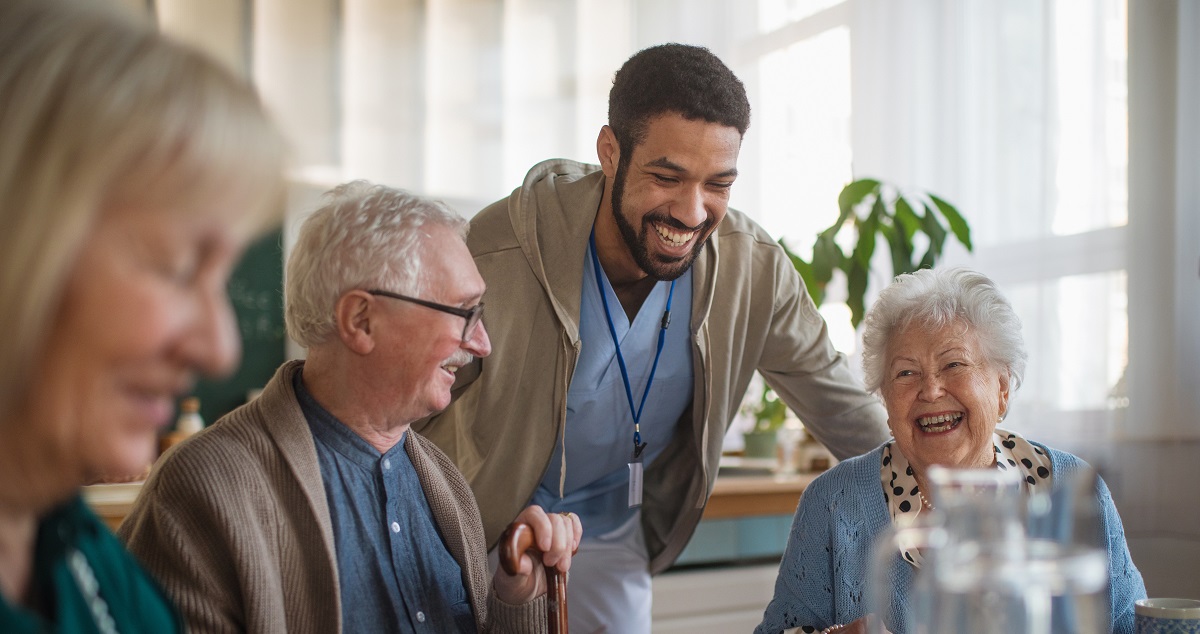
As America’s population ages and health care demands evolve, skilled nursing facilities (SNFs) have become essential pillars in long-term and post-acute care. Yet behind the doors of these facilities lies not only a critical health care service but also a diverse and evolving workforce that offers far more career paths than many realize.
According to the U.S. Bureau of Labor Statistics (BLS), about 1.5 million people currently work in skilled nursing care facilities across the country, making it one of the largest institutional health care sectors. Despite modest projected employment growth through 2034, the industry continues to experience persistent demand, with most SNFs reporting open positions for nurses, certified nursing assistants (CNAs) and support staff. The American Health Care Association (AHCA) reported in 2024 that 94% of nursing homes face difficulties recruiting new employees, and nearly 90% have raised wages in response to ongoing shortages.
Career Pathways
Careers in skilled nursing facilities extend far beyond bedside care. While nurses and CNAs form the backbone of patient care, SNFs also employ a wide range of professionals, including physical and occupational therapists, dietitians, activities coordinators, social workers, maintenance technicians and administrators.
For those starting their careers, entry-level positions such as CNAs offer valuable clinical experience and a clear path for advancement. Many facilities provide tuition assistance or partnerships with local colleges to help employees become licensed practical nurses (LPNs) or registered nurses (RNs). Others move into specialized roles such as wound care, rehabilitation or infection prevention.
“Skilled nursing is a place where people can grow if they’re willing to learn,” said Holly Harmon, RN, senior vice president of quality, regulatory and clinical services at AHCA, in a 2024 interview with McKnight’s Long-Term Care News. “It’s hands-on, high-impact work that demands compassion and adaptability.”
Aging Demand
The growing population of older adults is driving demand for care across settings, particularly in SNFs. The U.S. Census Bureau projects that by 2034, Americans aged 65 and older will outnumber those under 18 for the first time in history. With more seniors requiring post-surgery rehabilitation, chronic disease management and long-term assistance, the need for trained professionals in skilled nursing settings is expected to remain strong—even as the sector adjusts to new care models and reimbursement structures.
SNFs have also expanded their services beyond traditional long-term care. Many now provide short-stay rehabilitation and transitional care between hospital discharge and home. This shift has created new roles for therapists, nurse practitioners and care coordinators who specialize in helping patients regain independence.
Meaningful Work
Working in skilled nursing requires empathy, resilience and teamwork. While the work can be demanding—especially amid staffing shortages—it offers a unique opportunity to make a tangible difference in patients’ lives.
Industry leaders emphasize that addressing the staffing crisis requires not only recruitment but also retention and professional development. Facilities that invest in training, mentorship and work-life balance tend to have lower turnover and higher staff satisfaction.
“The next generation of caregivers wants purpose and growth,” Harmon noted. “If we can give them both, we can build a workforce that sustains high-quality care for decades to come.”
Future Outlook
For individuals exploring health care careers, SNFs represent a vital and accessible entry point into the industry. Whether providing direct patient care, coordinating rehabilitation, managing operations or supporting families, these professionals are the heart of an important system that many Americans rely on.
In an era where the nation’s health care needs are rising faster than its workforce can grow, skilled nursing careers offer not only stability but a chance to shape the future of elder care—one patient, and one act of compassion, at a time.
Read more articles for the ConnectComm Community here.